Quick Summary
In most situations, teeth damage is not caused by a single shocking incident, but by gradual processes that occur during our normal activities that appear to be completely harmless – such as biting down on ice, teeth grinding and consumption of soft drinks during the day. These processes cause tooth enamel to crack and require professional treatment.
On the bright side, all these activities can be easily adjusted once you become aware of them. Here is what you will learn from this guide:
- What are the 13 daily activities that pose the biggest danger to your teeth
- Why does each activity harm your teeth
- Alternative activities that you can implement right away
- Signs that indicate when you need to visit a dentist
- The answers to the most frequently asked questions online
Why Everyday Habits Matter More Than You Think
Tooth enamel is the hardest material in your body, but it does not have the ability to heal itself. Once there is an enamel chip, crack, or erosion, it does not regenerate. It remains there forever, adding up with the next small damage done to the tooth.
Imagine your car’s windshield with a small chip on it. It may seem that it does not pose any threat, but after just one bumpy ride or drastic weather conditions, it becomes cracked entirely. Teeth are quite alike. One hairline fracture due to chewing ice may turn into a bigger one while biting down on something hard some time later.
This is the reason why knowing your daily schedule is one of the key approaches to maintaining your dental health. Let us start with the habits first and then discuss them in more detail.
13 Habits at a Glance
| No. | Habit | What It Can Do to Your Teeth | Smarter Alternative |
| 1 | Chewing ice | Cracks and chips enamel | Let ice melt or use crushed ice in drinks |
| 2 | Using teeth as tools | Chips, fractures, loose teeth | Use scissors, openers or a knife |
| 3 | Teeth grinding and clenching | Flat, worn, cracked teeth | Wear a night guard |
| 4 | Nail biting | Chipped edges, jaw strain | Keep nails trimmed, try a bitter nail polish |
| 5 | Chewing pens and pencils | Cracks and uneven wear | Use sugar free gum or a stress toy |
| 6 | Crunching hard candy | Broken teeth, damaged fillings | Choose soft sweets or let candy dissolve |
| 7 | Biting hard foods | Cracked molars | Cut, soften or avoid very hard foods |
| 8 | Playing sports without protection | Knocked out or fractured teeth | Wear a custom mouthguard |
| 9 | Tongue and lip piercings | Chips and gum damage | Choose plastic jewelry or remove it |
| 10 | Sipping soda and acidic drinks | Enamel erosion, tooth decay | Drink water, use a straw |
| 11 | Brushing too hard | Worn enamel, receding gums | Use a soft brush and gentle strokes |
| 12 | Hot and cold food swings | Tiny cracks, tooth sensitivity | Let food and drinks cool or warm slightly |
| 13 | Ignoring small chips and skipping checkups | Small problems become major damage | Book a regular dental checkup |
Worried Your Daily Habits Are Already HurtingYour Teeth?
Hairline cracks and worn enamel often cause no pain at first. A quick exam at Fine Smile Dental in Addison, TX can find early damage before it turns into a costly repair. Book your dental checkup today.
The 13 Habits Explained
1. Chewing Ice
It is common knowledge that ice is harmless and does not contain any calories to cause weight gain. However, ice is hard, very cold and inflexible. This is dangerous to the teeth because the crunching action creates small cracks on the teeth’s surface while the cold causes them to widen.
- It may cause fractures on front and back teeth
- It can affect fillings, braces, and crowns
- It could be caused by some other necessity, like iron deficiency, so inform your doctor about it if you have intense cravings
Why not try letting the ice melt in your mouth, or use cold water or crushed ice?
2. Using Your Teeth as Tools

Bottle caps, plastic packages, holding pins or even cutting tape using your teeth seems very easy and convenient. Teeth are meant to chew food and not twist, pull, or pry anything at all.
- Teeth in the front can break from one incorrect move
- Teeth can become loose from continuous application of pressure
- An injured tooth might require a dental crown or bonding treatment to repair it
Always keep a pair of scissors, a bottle opener, and a small knife handy so that you don’t need your teeth to do the work.
3. Teeth Grinding and Clenching
Known by the name bruxism, teeth grinding tends to happen when asleep; hence, many people are not even aware that they are grinding their teeth. Some of the main causes of teeth grinding include stress, poor sleep and malocclusion among others.
- The teeth will start flattening, shrinking, and becoming more sensitive.
- Some fine lines may appear eventually.
- There may be problems with the jaw and headaches.
A night guard that is custom made by your dentist will be most effective for you. It could help to manage stress and avoid caffeine prior to going to bed.
4. Biting Your Nails
This habit occurs due to stress and can also be performed unconsciously. The nails are made up of keratin and the teeth keep biting the nails in the same spot.
- There is wear and tear in the front teeth
- There is stress exerted on the jaw joint
- It carries bacteria from the hand to the mouth
Trim nails and use gloves whenever the urge hits you, or put on bitter nail polish to help you resist.
5. Chewing Pens, Pencils and Other Objects
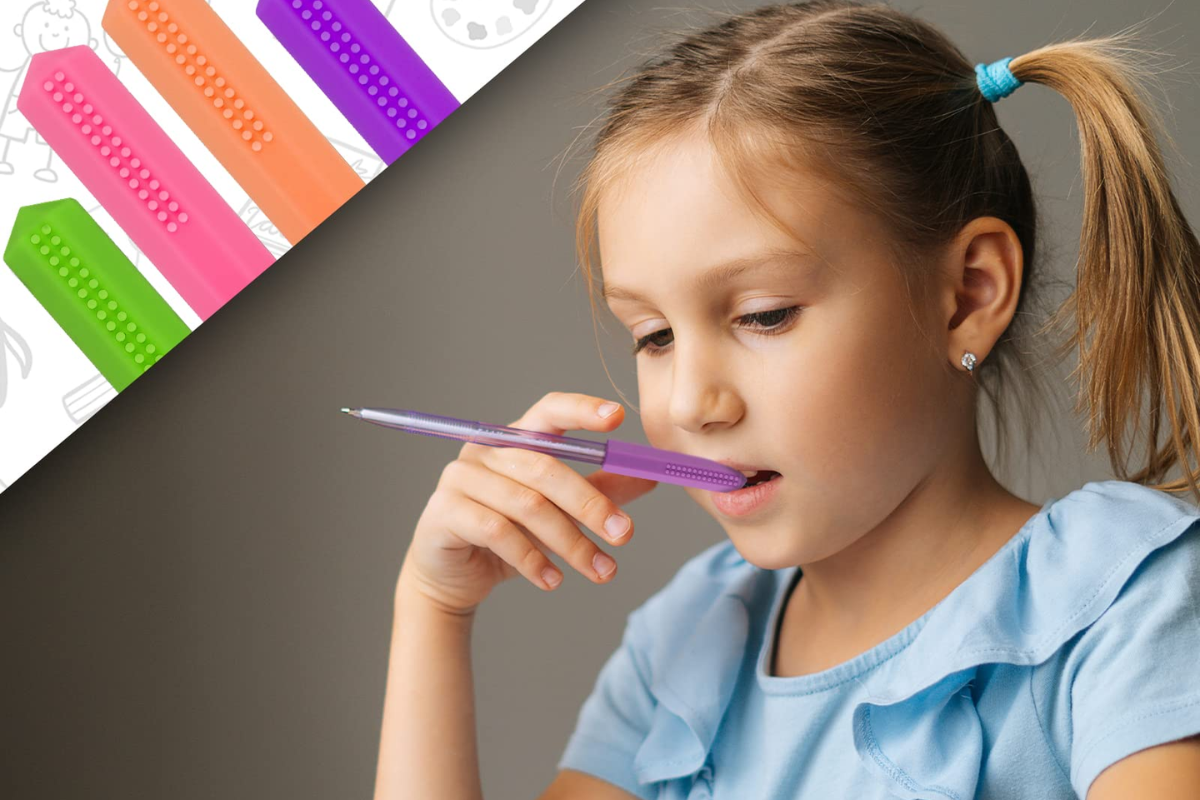
Putting the pen cap in one’s mouth during work or study is very common. Hard plastic, wood, and metal materials cause wear of the enamel and may even result in small cracks.
- Repetitive pressure causes uneven wearing
- Particles of the substance may damage fillings
- Dirtied objects introduce bacteria into your mouth
Try using sugar-free gum or even a stress ball to replace the habit. Your hands will have something to do, and your teeth will be protected.
6. Crunching Hard Candy
Although hard candies and lollipops may seem harmless, the fact is that they cause many people to have broken teeth because of their bites. Additionally, sugar remains in contact with your teeth for an extended period.
- A bite can damage your teeth or pull out fillings
- Sugar will feed the bacteria which will attack your teeth
- Gum-like foods can remove crowns or fillings from the teeth
If you enjoy candy, choose softer options, have them with a meal and rinse with water afterward.
7. Biting Down on Hard Foods
Some of the things that are harder than teeth are popcorn kernels, olive pits, tough nuts, bones and crusty breads. One unfortunate bite could lead to a dental fracture especially when there are big fillings on the tooth already.
- Back teeth are usually the ones affected
- Fractures don’t cause any discomfort immediately, so the problem remains unnoticed
- Symptoms may develop later while eating or drinking cold beverages
Chew slowly and remove pits before eating. Cut very hard foods into smaller portions.
8. Playing Sports Without a Mouthguard
Contact sports, cycling, skateboarding, and even playing can lead to an impact on the face. It may cause fracturing, breaking, and even loss of teeth.
- The front teeth are the most vulnerable.
- The costs of emergency care can be high.
- The injury could also affect the lips, tongue and jaws.
Properly fitting mouthguards can be obtained through your dentist, which will make them much more comfortable compared to the boil-and-bite types available in retail stores.
Grinding Your Teeth at Night?Protect Them with a Custom Night Guard
Waking up with jaw pain, headaches or sensitive teeth are common signs of grinding. Our team can make a comfortable, custom-fitted night guard that shields your teeth while you sleep. Ask about one at your next visit.
9. Tongue and Lip Piercings
Metal jewelry is very close to your teeth and keeps touching them. Biting a stud or a ring in your mouth worsens the situation.
- Tooth chips and cracks can occur
- Recession of the gums from jewelry contact may occur
- Infection and inflammation are common
For keeping the piercing, use small jewelry made of plastic or acrylic and remove the piercing when playing any sports or sleeping.
10. Sipping Soda, Energy Drinks and Acidic Beverages All Day
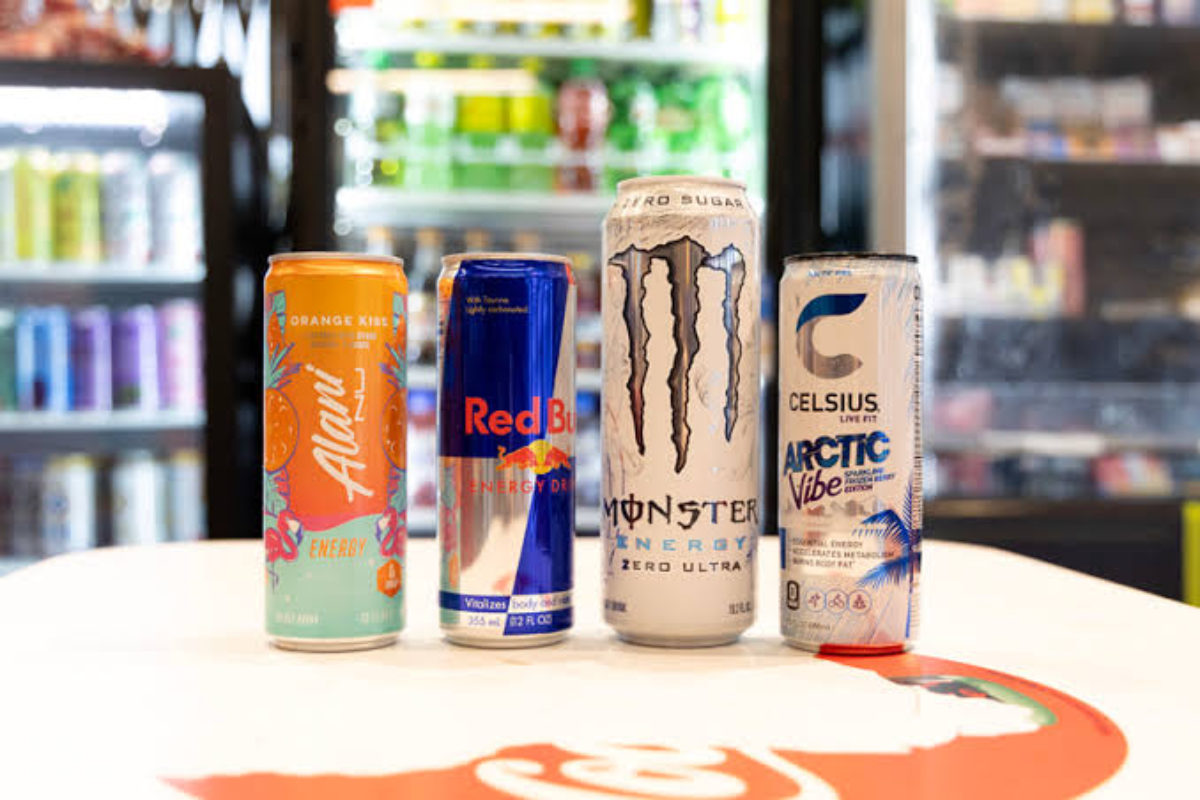
It is not what you eat that matters, but how often you do so. Every time you have a sip of soda, sport drinks, sweetened tea, or fruit juices, you put your tooth enamel under acid attack for up to 20 minutes.
- Enamel wears out and becomes thinner
- Weak enamel is prone to cracking and chipping
- Tooth discoloration occurs due to the visibility of the underlying layer of teeth
Drink these beverages with meals, use a straw, rinse with plain water afterward and wait about thirty minutes before brushing.
11. Brushing Too Hard
The harder you brush, the more your teeth become damaged. Hard bristles, along with abrasive brushing, will erode enamel and pull gums back, thus exposing roots.
- Sensitivity of teeth to hot, cold and sweet foods
- Formation of notches around the gum line
- Gum recession, which does not regenerate again
Use a soft bristle brush or an electric brush that comes with a pressure sensor. Hold the brush like a pen and brush in gentle circles for two minutes twice daily.
12. Switching Between Very Hot and Very Cold Foods
Having hot tea followed by consuming ice cream is known to cause your teeth to expand and contract. In time, this strain will cause small cracks to appear, particularly in cases of heavily filled teeth.
- Hairline fractures may form slowly
- Existing fractures can increase in size
- Sharp and sudden pain follows usually
There is no need to stop eating your favorite foods. Just let your very hot beverages cool off a bit and do not pair extremes together.
13. Ignoring Small Chips and Skipping Dental Visits
This minute chip will perhaps not cause any pain and thus it may be easily overlooked. However, even a minor chip is an opening for bacteria to gain entry and an area vulnerable to cracking.
- Undiagnosed cracks may extend into the nerve and require a root canal
- Deep cracks may indicate the tooth cannot be repaired
- Most issues are not apparent without an X-ray
Six-monthly dental appointments will ensure that any cracks in your teeth, as well as any worn-out enamel, can be detected before it’s too late.
Sharp Pain When You Bite? Do Not Wait for It to Get Worse
A cracked tooth does not heal on its own, and delay can mean a root canal or even losing the tooth. If you have pain, sensitivity or a chip, call Fine Smile Dental in Addison, TX for a prompt exam and treatment plan.
Warning Signs You May Have a Cracked or Damaged Tooth
Not every crack is visible. Watch for these signals:
- Severe pain while biting and releasing
- Increased sensitivity to heat, cold, and sweetness
- Spontaneous pain with no apparent cause
- An unusual raised portion that can be felt by tongue
- Inflammation of the gums with an elevated area around the teeth
Should you observe any of these signs, refrain from chewing food using that side and schedule an appointment right away. Early diagnosis is much easier, less painful, and more cost-effective.
What to Do If You Crack or Chip a Tooth
- The mouth should be rinsed using warm water.
- Store the fragments of the tooth in milk or saliva.
- Apply cold compression to reduce swelling.
- Have soft food only.
- Take a suitable pain reliever if needed.
- Consult a dentist as soon as possible.
Simple Daily Habits That Protect Your Teeth
- Brush softly twice daily using fluoride toothpaste
- Floss once daily
- Drink lots of water
- Consume foods high in calcium such as milk, curd, and cheese
- If you grind your teeth, use a night guard
- During sports, use a mouthguard
- Go to the dentist twice a year
Final Thoughts
Healthy teeth require more than brushing alone. They require the decisions you make daily in terms of what you bite into and even your stress management techniques. This list of poor habits includes things that are common, and therefore, everyone will be affected by one thing or another. Your intention should not be to blame yourself but to know and change the bad habits before it is too late.
In case you have been noticing some sensitivity, chipping or jaw pain, it is advisable that you do not wait for things to worsen. At Fine Smile Dental, we will be able to assess your teeth, detect any crack that may be there, offer you the proper protection such as night guard or mouthguard and encourage better practices.
Protect Your Smile with Fine Smile Dental
Strong, healthy teeth start with small daily choices and regular professional care. Whether you need a checkup, a mouthguard or treatment for a damaged tooth, our friendly team in Addison, TX is here to help. Schedule your visit today.
Frequently Asked Questions
1. What behaviors cause cracks in your teeth?
The most common causes include chewing ice, hard candy, grinding your teeth, opening packages with your teeth and biting very hard foods. This is because putting constant stress on the same tooth increases the chances of cracks.
2. Will chewing ice crack your teeth?
Yes. Ice is hard and cold, hence causing cracks in the enamel, which become bigger over time until chips or even broken teeth occur.
3. Can grinding teeth cause cracks?
This can be possible since grinding puts a lot of stress on the teeth that may result in wearing off enamel and formation of cracks. You should consider getting a night guard to protect them.
4. Is nail biting harmful to your teeth?
Yes, it can crack your front teeth. It can wear away the edges of the tooth and affect your jaw joint. This behavior introduces bacteria into the mouth.
5. How can I know that I have a cracked tooth?
There will be some symptoms like a sudden pain while biting and sensitivity to hot and cold foods. Sometimes it may not be visible and you need to see the dentist for an X-ray.
6. Can the cracked tooth heal without treatment?
No, because the enamel cannot repair itself and it will remain open until it gets treated through bonding and crowning among other ways.
7. What do I do when I have a cracked tooth?
You should rinse the area with warm water and collect all the cracked parts and use cold packs and visit the dentist immediately.
8. Is drinking acidic drinks bad for your tooth enamel?
Yes. Drinking sodas, energy drinks and citrus juice causes the weakening of enamel every time you drink it. This can be minimized by drinking them during meal times and rinsing your mouth with water after drinking.
9. Will excessive brushing of teeth damage your teeth?
Yes. Brushing teeth with a hard brush under much pressure wears out the enamel and causes gum recession.
10. How frequently should I visit the dentist in order not to damage my teeth?
In most cases, it is advised that people visit their dentists twice in a year. This may depend on whether a person grinds his/her teeth or not and whether he/she has sensitive teeth or crowns.